SalaryCalculator
Tax year 2025/26 · Rest of UK · annual

National Insurance Calculator

NI for employees and the self employed for 2025/26.

Tax year
Region
Schedule

Your details

National Insurance (year)

£1,794

£150 per month

By band

£12,570–£50,270 (8%)£22,430 → £1,794
Above £50,270 (2%)£0 → £0
Total NI£1,794

Interactive scenarios

Tax and deductions, your way

Tax year

Region

Pay schedule

Salary £45,000

Net (monthly)

£2,806

Income tax (monthly)

£541

NI (monthly)

£216

Effective rate

20.2%

Modelled on a 5% pension. Showing monthly figures, rest of UK, tax year 2025/26.

The full guide

Everything worth knowing about ni

Worked examples with real figures, the order payroll applies them in, and the traps that catch people out.

01

The deduction that behaves backwards

National Insurance is the one line on a payslip where the rate falls as earnings rise. Above the upper earnings limit an employee pays two percent, not eight.

It is also worked out per pay period rather than across the year, which is why a bonus month stings and a spread out rise does not.
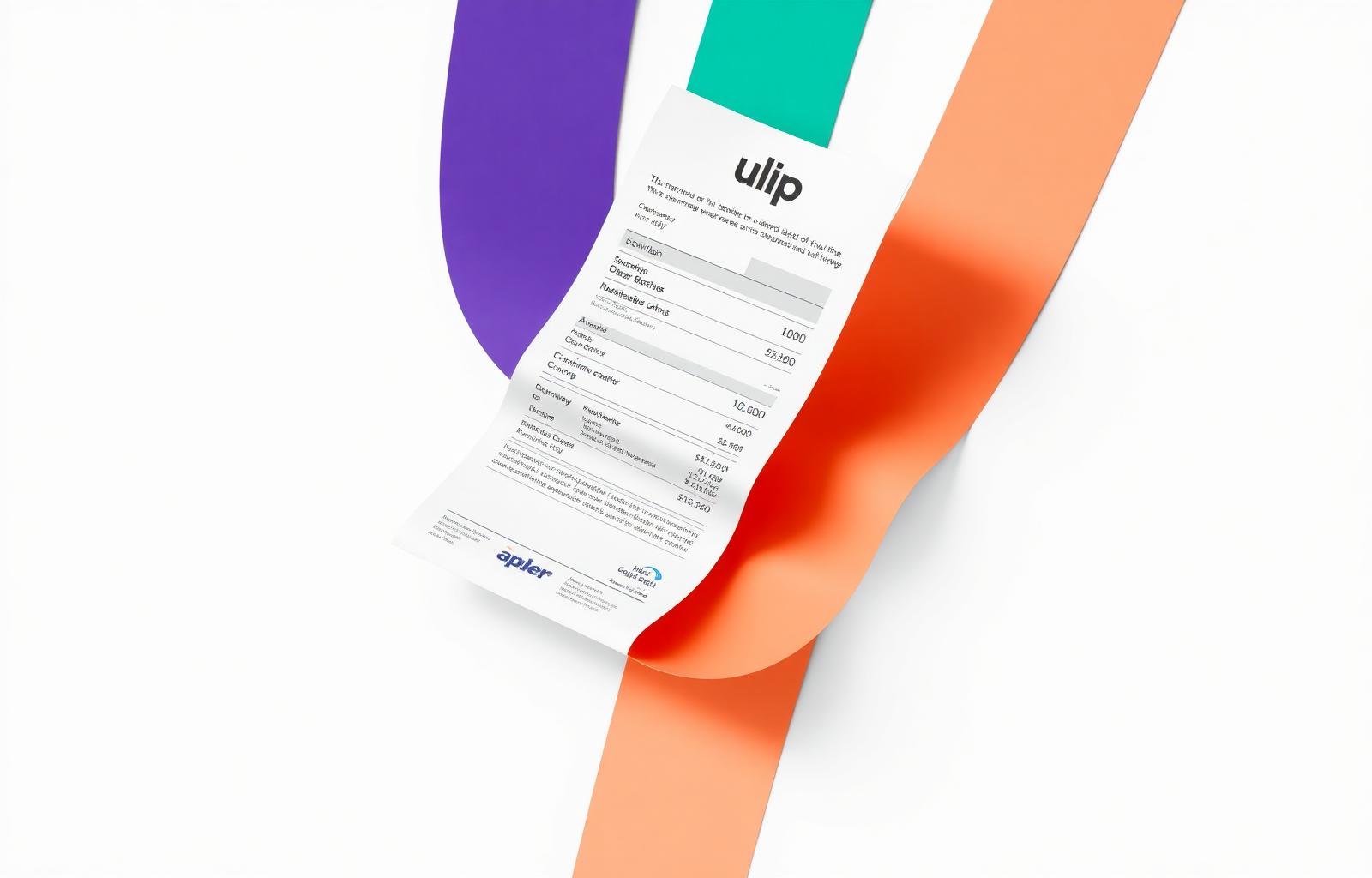
Close view of a payslip showing deductions
Two slices, two rates, one line on the slip.

Ask how the bonus is paid

Monthly beats a March lump sum for National Insurance. Income tax evens out by April either way, so the choice only moves NI, and it moves it in your favour.

02

National Insurance behaves differently to tax

The rate steps down above the upper earnings limit rather than up, so a higher earner pays less NI on an extra pound than a basic rate earner does.

It is also calculated per pay period. A £6,000 bonus paid in March costs less NI than £500 a month across the year, because the March slice is pushed past the limit in one go while the monthly version never reaches it.

Self employed contributions follow a parallel shape on trading profits rather than salary, with their own thresholds and a lower headline rate.

Close view of a payslip showing deductions
Two slices, two rates, one line on the slip.
03

The order payroll works in

Deductions are not a flat set that each take a bite of the same cake. They run in sequence, and the sequence decides the cost of every one after the first.

Pension goes first under salary sacrifice, leaving gross pay before tax and National Insurance ever see it. Under relief at source it leaves net pay instead and HMRC tops the pot up. Same percentage on paper, different payslip.

Income tax then applies band by band against the tax code. National Insurance follows, worked out per pay period rather than across the year. Student loan sits on top of all of it and never reduces taxable pay.

Change the order and the answer changes. That is why a payslip with the same gross as a colleague's can pay a different net.

Pay flow

Gross, pension, tax, National Insurance, net

72%
14%
  • Net pay
  • Income tax
  • NI
  • Pension
  • Student loan
04

A £6,000 bonus, two ways

Paid as a single March payment on a £45,000 salary, most of that £6,000 sits above the monthly upper limit, so a large part of it attracts two percent NI rather than eight.

Paid as £500 a month it never reaches the limit, so the whole lot pays eight percent. The lump sum wins on National Insurance by a few hundred pounds.

Class 4 for the self employed follows the same shape on trading profits, with a lower headline rate and the same step down at the upper profits limit.

Worked payslip

Gross to net, line by line

Sample payslip

Month 06 · 2025/26

Gross pay

£2,916.67

Pension (5%)

£145.83

Taxable pay

£2,770.84

Income tax

£373.83

National Insurance

£149.52

Net pay

£2,247.66

05

Four things that quietly move your net pay

A tax code change mid year. HMRC adjusts the code, payroll applies it, and the letter explaining it rarely gets read. Check the code on the payslip against the one you expect.

A taxable benefit such as private medical cover. It shrinks the allowance, so a perk raises the tax bill and take home falls in the month it starts.

A switch to salary sacrifice. Gross drops before anything else, which changes every line beneath it and can affect mortgage affordability too.

A bonus month. Income tax evens out across the year through the cumulative system. National Insurance never does.

Bills, a notebook and a calculator on a kitchen table
Check the figures against a payslip you already trust.
06

Where the numbers come from

Rates, bands and thresholds follow published HMRC and gov.uk figures for the 2025/26 tax year, held in one table that every tool reads. April arrives, the table changes, and the results move together.

Earlier years stay available through the year selector, so a late self assessment runs on the numbers that applied at the time rather than today's.

Some cases still need an accountant. K codes carrying negative allowances, bespoke sacrifice arrangements, the annual allowance taper for very high earners, and anything involving two employments at once.

07

Where to go next

National Insurance Calculator answers one question. The salary calculator turns gross into net, the income tax calculator splits the bill by band, the National Insurance calculator shows the step at the upper limit, and the pension calculator prices a percentage change three ways at once.

Every tool reads the same rate table, so two pages never disagree. Run this one, note the figure, then open the next and watch which line moves.

Example gallery

Real inputs, real outputs

Graduate starter

First job, default workplace pension.

rUK

Gross / yr

£28,000

Pension

5%

Income tax

£3,086

NI

£1,234

Take home / month£1,857

Mid career

Standard tax code, modest pension uplift.

rUK

Gross / yr

£45,000

Pension

6%

Income tax

£6,486

NI

£2,594

Take home / month£2,768

Higher rate

Crossing the higher rate band.

rUK

Gross / yr

£72,000

Pension

8%

Income tax

£16,232

NI

£3,451

Take home / month£3,880

Scotland mid

Scottish bands applied.

Scotland

Gross / yr

£45,000

Pension

5%

Income tax

£6,928

NI

£2,594

Take home / month£2,769

About this calculator

The National Insurance Calculator shows the NI owed on UK earnings. Employees pay Class 1; the self-employed pay Class 4 on annual profits.

Quick reference

Allowance 0%
0%
Basic 20%
20%
Higher 40%
40%
Additional 45%
45%

Frequently asked questions

Questions are added here as readers send them in.